Natural Dietary Components in Men's Lifestyle
An educational resource exploring the role of natural ingredients and nutritional diversity in everyday eating patterns.
Read more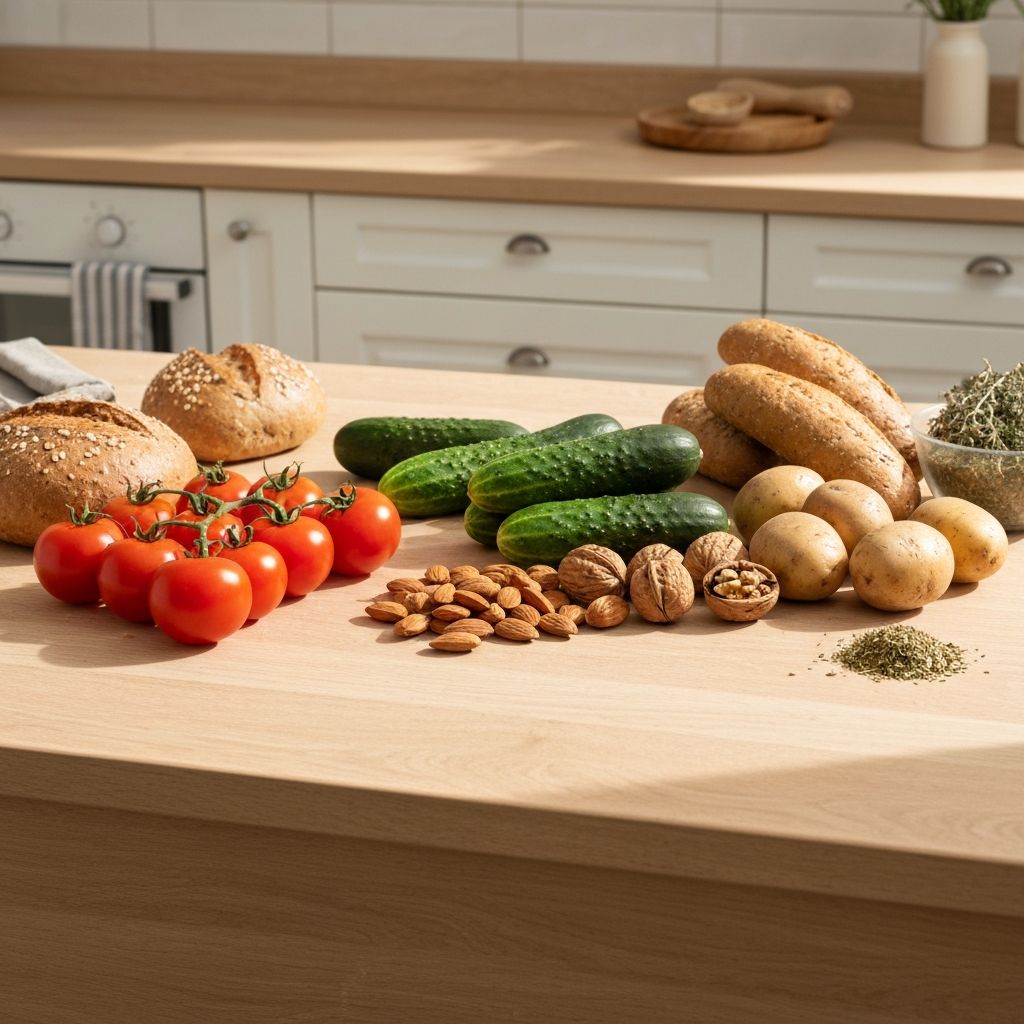
An educational resource exploring the role of natural ingredients and nutritional diversity in everyday eating patterns.
Read more
Dietary components form the foundation of everyday nutrition. Throughout history, communities have developed diverse eating patterns based on available natural resources, cultural traditions, and seasonal variations.
This educational resource provides context about ingredients commonly found in men's diets across different regions. The content describes various food categories, their natural origins, and the cultural significance of dietary diversity.
Understanding the composition of everyday meals helps individuals make informed decisions about their personal eating habits. This knowledge encompasses awareness of macronutrients, micronutrients, and the variety of natural ingredients available in modern food systems.
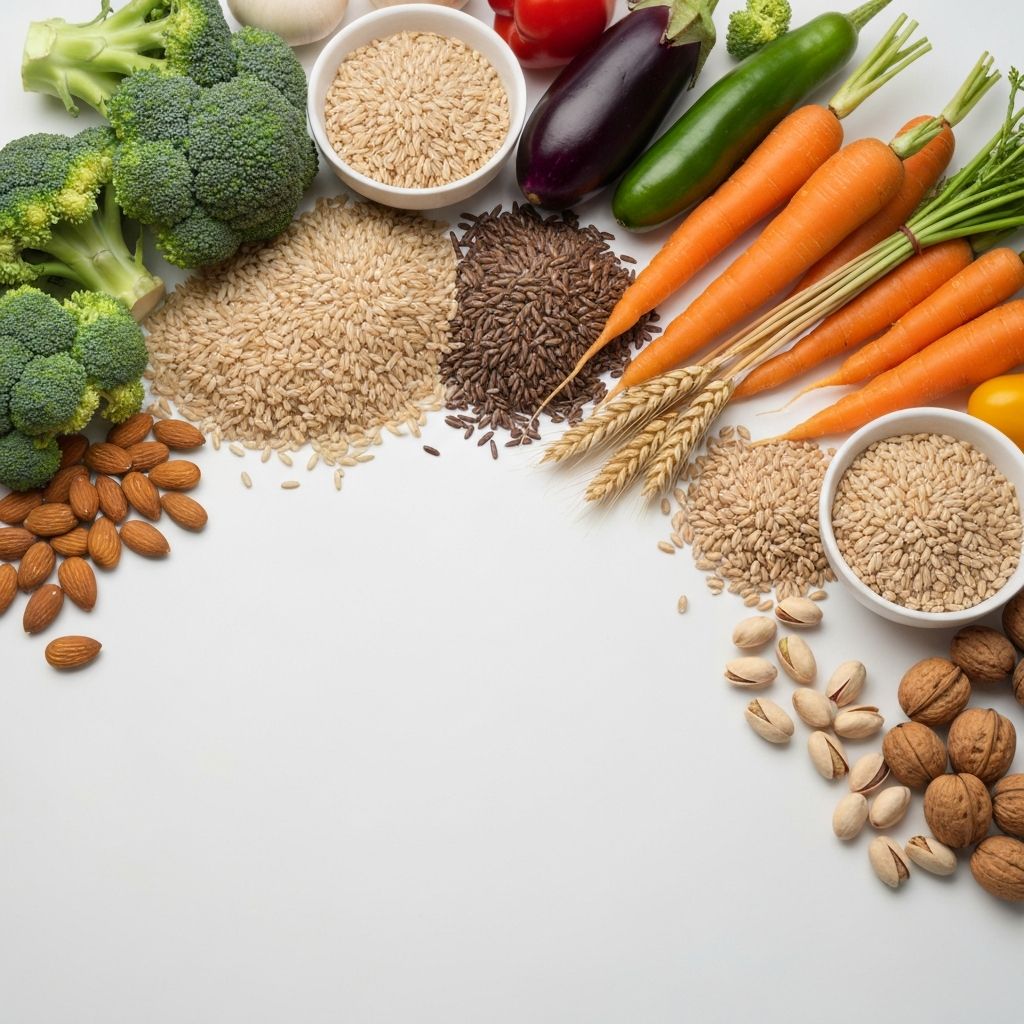
Nutritional science recognizes several major categories of dietary components. These include macronutrients such as carbohydrates, proteins, and fats, as well as micronutrients including vitamins and minerals.
Each category plays distinct roles in daily nutrition. Whole grains, legumes, vegetables, fruits, nuts, and seeds represent common sources of these components in traditional and contemporary diets.
The variety of available ingredients allows for diverse meal compositions that reflect individual preferences, cultural backgrounds, and lifestyle patterns.
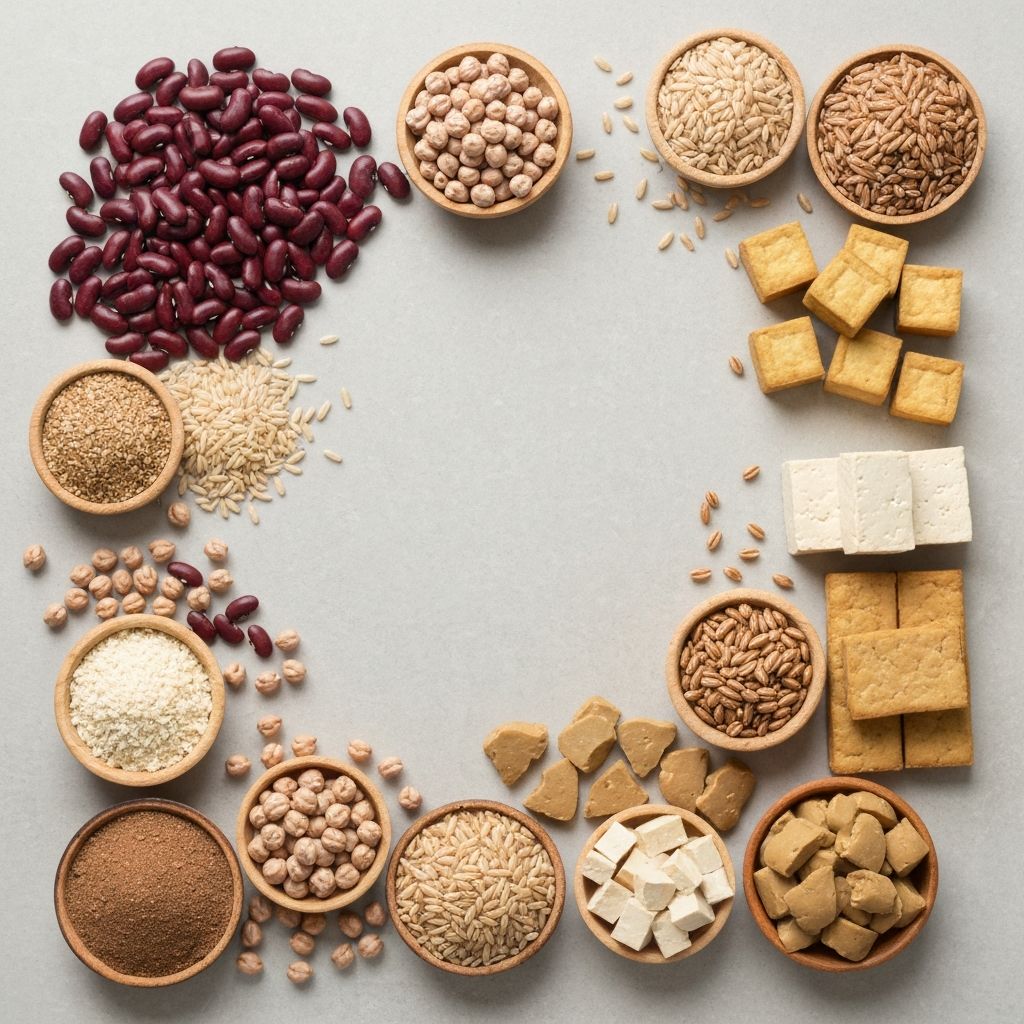
Macronutrients constitute the primary energy-providing components of food. Carbohydrates are found in grains, vegetables, and fruits. Proteins occur naturally in legumes, nuts, seeds, and various plant sources. Fats are present in oils, nuts, seeds, and certain vegetables.
Different food traditions emphasize varying combinations of these components. Mediterranean, Asian, and Northern European dietary patterns each feature distinct ratios and sources of macronutrients based on regional agriculture and culinary heritage.
Modern nutrition education focuses on understanding these components within the context of overall dietary patterns rather than isolated nutrients.
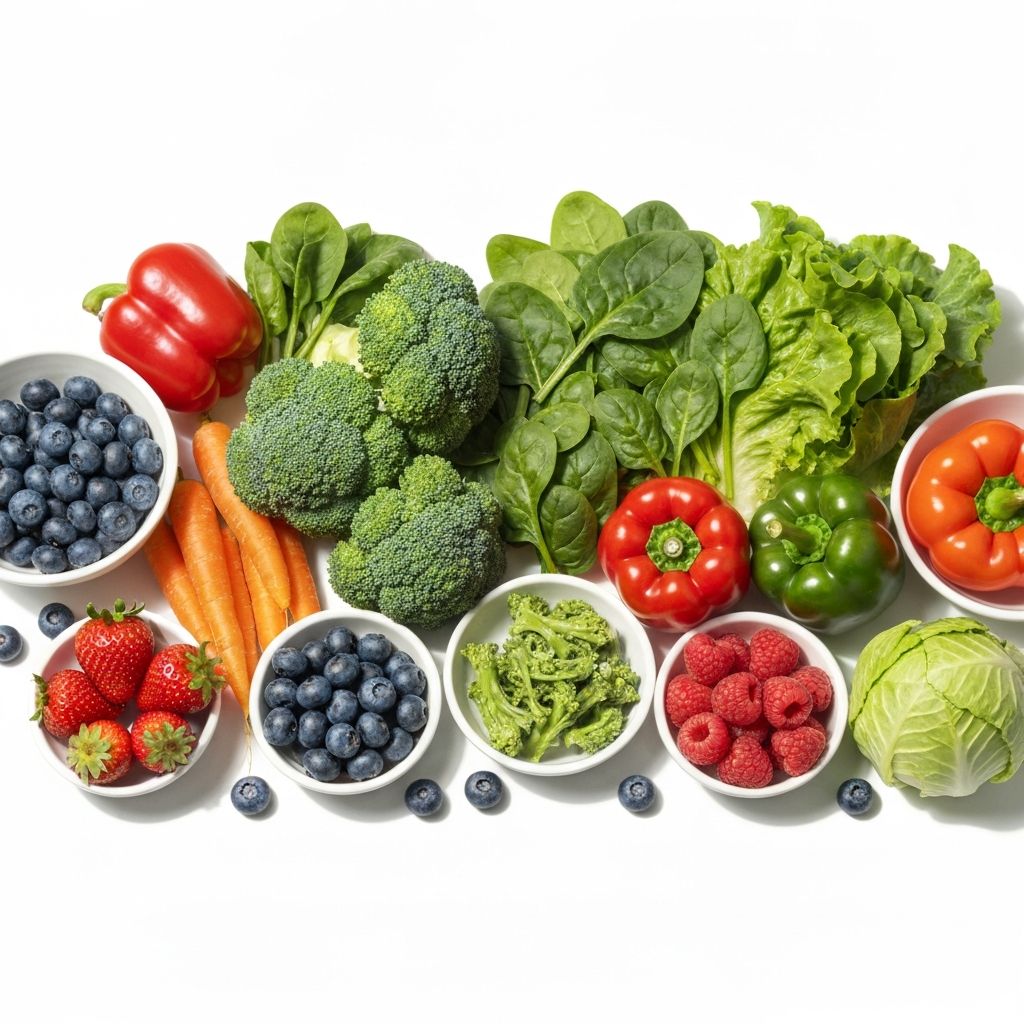
Micronutrients include vitamins and minerals present in small quantities throughout various food sources. Leafy greens provide minerals such as iron and calcium. Colorful vegetables contain different vitamin compounds. Nuts and seeds offer trace minerals including zinc and selenium.
The bioavailability of micronutrients varies based on food preparation methods, combinations of ingredients, and individual digestive processes. Traditional cooking techniques often evolved to enhance the absorption of these components.
Dietary diversity remains a key principle in ensuring adequate intake of various micronutrients across different food groups.
The following categories represent common natural ingredients found in everyday diets. These examples illustrate the diversity of plant-based components available in contemporary food systems.
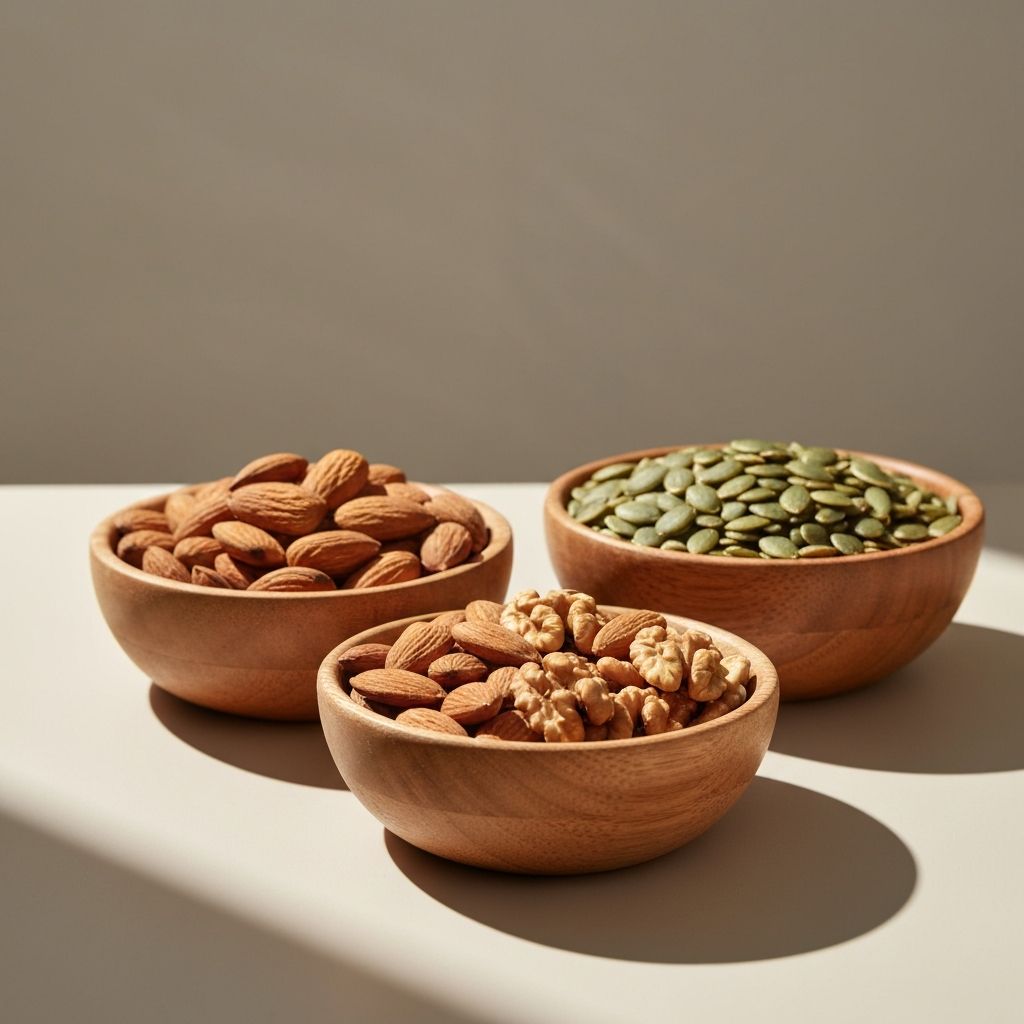
Almonds, walnuts, pumpkin seeds, and sunflower seeds represent traditional dietary components. These ingredients contain fats, proteins, and various micronutrients. They appear in diverse culinary traditions across continents.
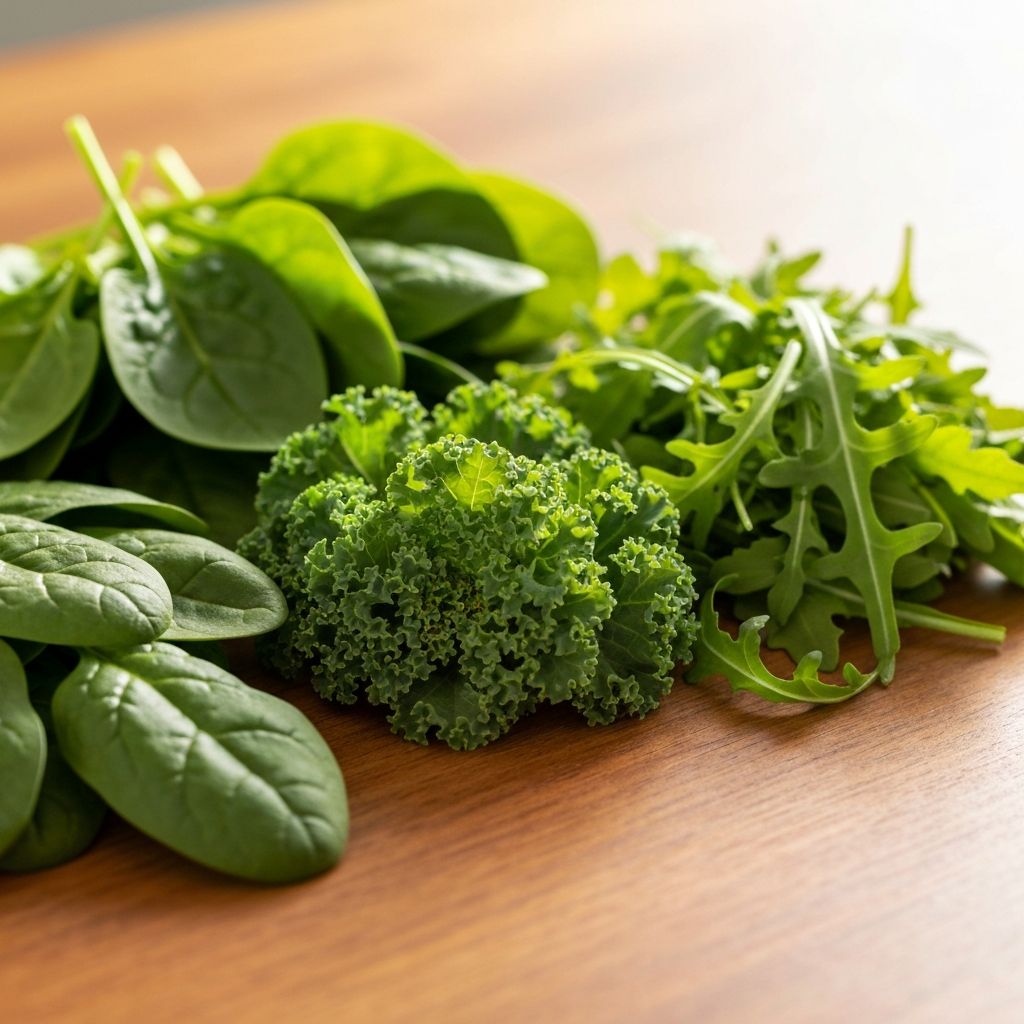
Spinach, kale, arugula, and Swiss chard form part of vegetable consumption patterns. These ingredients provide minerals, vitamins, and fiber. Different regions cultivate varying types of leafy greens based on climate.

Brown rice, oats, quinoa, and whole wheat constitute staple carbohydrate sources. These ingredients offer fiber, B vitamins, and minerals. Grain cultivation has shaped agricultural practices throughout human history.

German dietary traditions reflect Central European agricultural patterns and historical food preservation methods. Bread, particularly rye and whole grain varieties, forms a central component of daily meals. Root vegetables, cabbage, and legumes feature prominently in traditional recipes.
Contemporary German eating patterns incorporate influences from Mediterranean, Asian, and global cuisines while maintaining connections to regional traditions. Urban areas show increased diversity in ingredient selection and meal composition.
Seasonal eating patterns remain relevant, with different ingredients gaining prominence during various times of the year based on local agriculture and traditional preservation techniques.
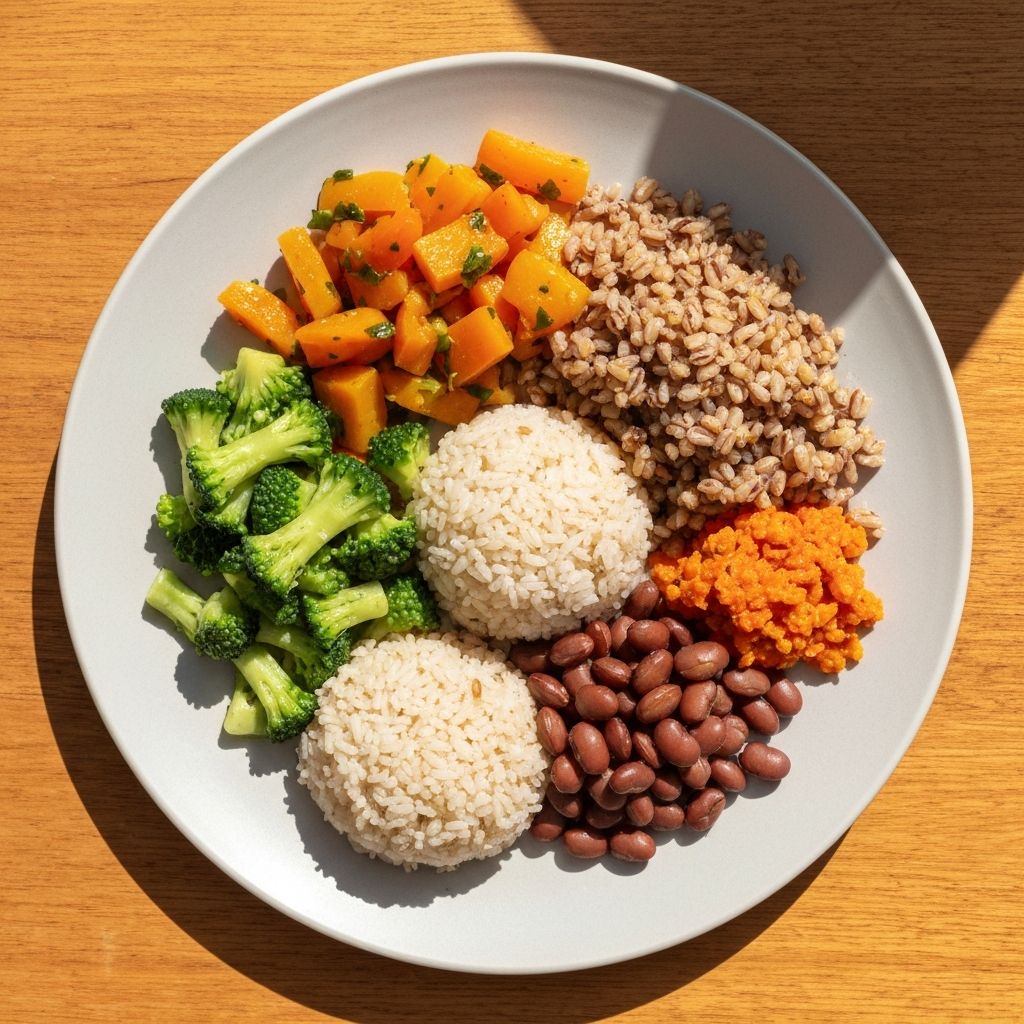
Meal structure varies across individuals based on personal preferences, work schedules, and lifestyle factors. Some eating patterns include three main meals, while others incorporate smaller, more frequent eating occasions.
The composition of meals reflects individual choices regarding the combination of grains, vegetables, proteins, and fats. No single meal structure applies universally, as dietary patterns reflect cultural backgrounds, personal preferences, and practical considerations.
Awareness of meal composition helps individuals understand their eating patterns without prescribing specific approaches or ratios.
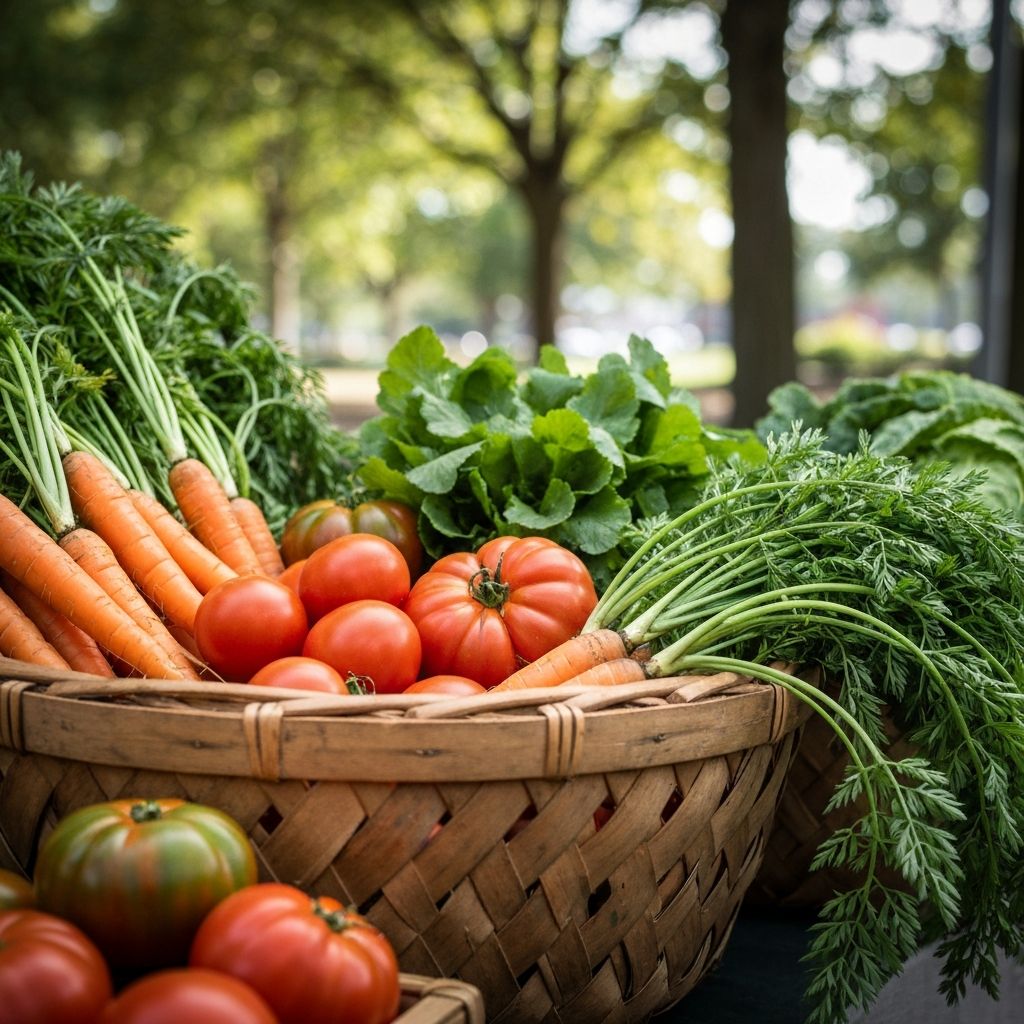
Modern food systems provide ingredients from diverse geographical origins. Local farmers markets, grocery stores, and specialty shops offer varying selections based on seasonal availability and regional preferences.
Understanding where ingredients originate helps contextualize their role in different culinary traditions. Some components grow in specific climates, while others adapt to various environmental conditions.
The concept of food sourcing encompasses agricultural practices, transportation systems, and the relationship between urban populations and rural food production areas.

Nutritional literacy involves understanding food labels, ingredient lists, and basic nutritional concepts. This knowledge supports informed decision-making about daily eating patterns.
Educational resources about nutrition come from various sources including public health organizations, academic institutions, and nutrition science research. These materials provide context for understanding dietary components.
Individual nutritional needs vary based on numerous factors including age, activity level, and personal health considerations. Educational content describes general concepts rather than specific recommendations.
Educational Context: This resource provides informational content about dietary components and eating patterns. Materials presented here describe general concepts and cultural contexts. This content does not constitute individual recommendations, guidance, or advice. Nutritional decisions remain personal choices influenced by various individual factors. Different people follow different dietary approaches based on their circumstances, preferences, and lifestyle patterns.
Explore additional educational content about dietary components and nutritional awareness.
Learn more about this resource